What Is Preconstruction and Why Does It Matter?
Before construction begins, some of the most important decisions affecting a commercial project have already been made.
That is where preconstruction comes in.
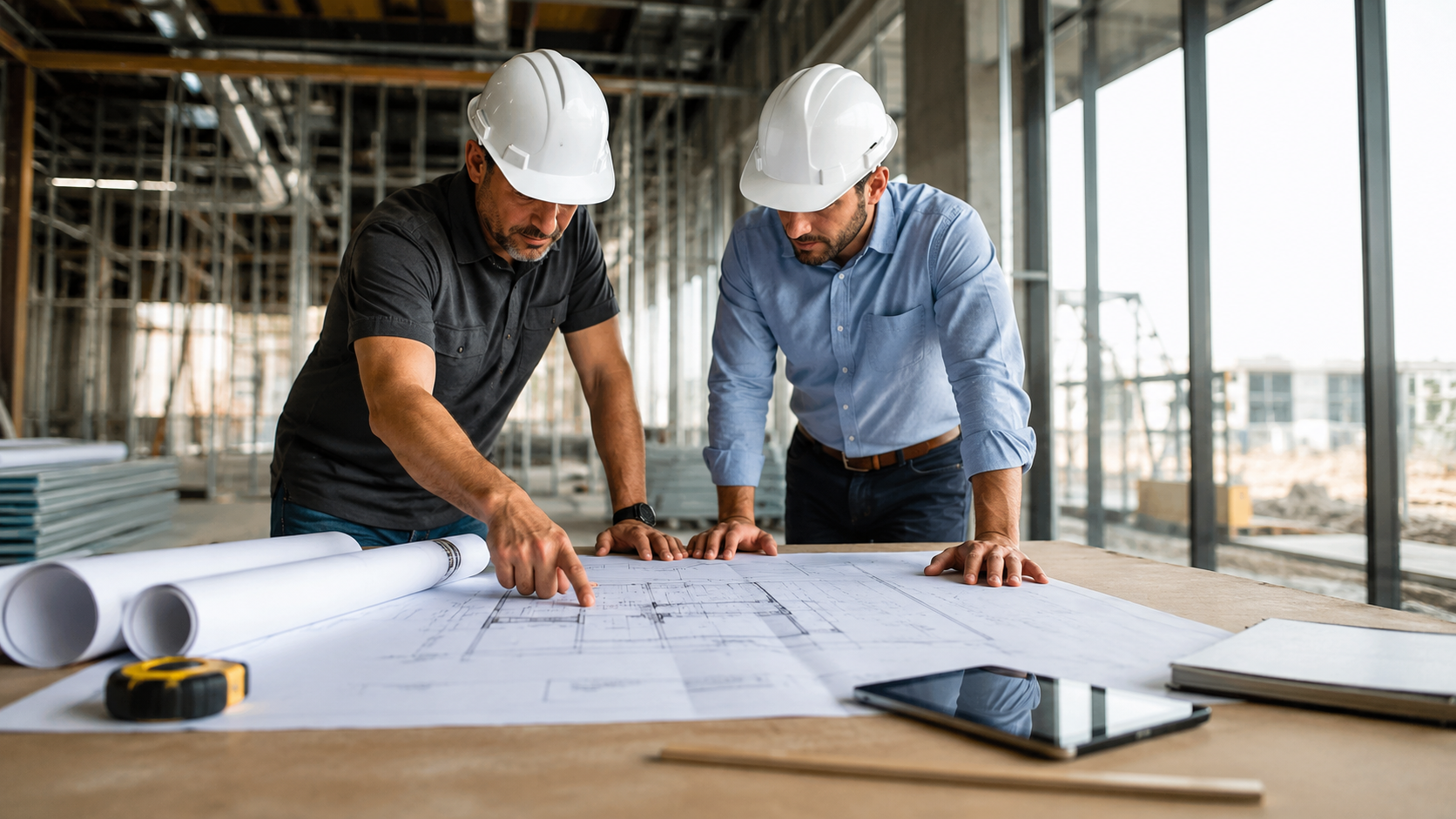
Preconstruction is the planning phase of a commercial construction project that takes place before work begins in the field. It can include budgeting, estimating, scheduling, constructability reviews, subcontractor coordination, material planning, site evaluation and identifying potential project risks.
At Jordy Construction, decades of commercial construction experience have shown us that strong projects don’t simply begin when crews arrive on site. They begin with communication, preparation and a clear understanding of what the client is trying to accomplish.
What Happens During Preconstruction?
Preconstruction turns a project concept into an actionable construction plan.
Depending on the size and complexity of the project, the preconstruction process may include:
- Preliminary budgeting and cost estimating
- Constructability reviews
- Project scheduling
- Subcontractor and trade coordination
- Material and equipment planning
- Site logistics
- Value engineering
- Identification of long-lead items
- Review of drawings and specifications
- Risk identification
- Coordination with the owner and design team
The goal isn’t simply to determine how much a project will cost. It is to understand how the project will actually be built.
A contractor with significant field experience can often identify potential challenges during preconstruction that may be difficult to see on drawings alone.
Why Is Preconstruction Important?
Commercial construction involves many moving parts.
Owners, architects, engineers, contractors, subcontractors, suppliers and local authorities may all play a role in bringing a project to completion.
Without careful planning, small issues can become expensive problems once construction begins.
Effective preconstruction helps the project team identify those issues earlier.
For an owner, that can mean better information about the project’s expected cost, schedule, logistics and potential risks before committing significant resources to construction.
Preconstruction Can Help Protect the Budget
Budget surprises are one of the biggest concerns for commercial property owners.
During preconstruction, the contractor can evaluate drawings, materials, labor requirements, subcontractor pricing and other project conditions to develop a clearer understanding of expected construction costs.
This process can also identify opportunities for value engineering.
Value engineering does not necessarily mean choosing the cheapest option. It means evaluating alternative materials, systems or construction approaches that may provide better value while still supporting the project’s design, performance and long-term goals.
The earlier these conversations happen, the more options the project team typically has available.
Preconstruction Can Improve the Schedule
A construction schedule involves much more than choosing a start date and completion date.
Material lead times, subcontractor availability, permitting, inspections, site access and sequencing between trades can all affect the timeline.
Preconstruction allows the project team to begin identifying these factors before construction starts.
Long-lead materials are particularly important.
If a critical piece of equipment or material requires months to manufacture or deliver, discovering that after construction begins can create significant scheduling challenges.
Identifying those items early gives the team more time to plan around them.
Why Early Contractor Involvement Matters
One of the biggest advantages of preconstruction is the ability to involve the general contractor earlier in the process.
Architects and engineers bring critical design expertise. Contractors bring another perspective: how the project will be built in the field.
When those perspectives come together early, the team can evaluate constructability, costs, sequencing and logistics while there is still time to make adjustments.
Jordy Construction’s experience across commercial construction has reinforced the value of this collaborative approach.
Instead of waiting for completed drawings and reacting to potential challenges later, early contractor involvement allows construction knowledge to become part of the planning process.
Experience Matters During Preconstruction
Preconstruction is not simply a checklist.
The value comes from knowing what to look for.
An experienced commercial general contractor has seen how different project decisions affect construction in the real world.
Questions may include:
Can materials physically get into the building?
Will existing building conditions affect the design?
Are certain materials difficult to obtain?
Does the proposed sequence create conflicts between trades?
Could another construction method accomplish the same goal more efficiently?
Are there details that could create problems later in the project?
Experience helps a contractor recognize these questions before they become issues in the field.
Communication Is a Major Part of Preconstruction
Successful preconstruction also depends heavily on communication.
Owners should understand what is happening with their project, where potential risks exist and what decisions need to be made.
The contractor should also be communicating closely with architects, engineers and subcontractors.
At Jordy Construction, relationship-driven construction has been an important part of how projects are approached for decades. Those relationships and open lines of communication become especially valuable during preconstruction, when collaboration can directly influence what happens later in the field.
Is Preconstruction Only for Large Projects?
No.
While large and complex commercial projects may require extensive preconstruction services, smaller projects can also benefit from early planning.
Tenant improvements, restaurant renovations, healthcare spaces, financial institutions, office renovations and other commercial projects can all involve scheduling, budgeting, permitting, material and logistical considerations.
The scale of preconstruction may change, but the principle remains the same:
Understand the project before you start building it.
Frequently Asked Questions About Preconstruction
What is preconstruction in commercial construction?
Preconstruction is the planning phase before physical construction begins. It typically includes estimating, budgeting, scheduling, constructability reviews, logistics planning, subcontractor coordination and identifying potential project risks.
When should a general contractor become involved?
Ideally, a general contractor can become involved while important design, budget and scheduling decisions are still being made. Earlier involvement gives the project team more opportunities to evaluate constructability, costs and potential challenges.
Does preconstruction help prevent change orders?
Preconstruction cannot eliminate every change order because unforeseen conditions and owner-requested changes can still occur. However, thorough planning and constructability review can help identify potential conflicts earlier and reduce avoidable surprises.
What is value engineering?
Value engineering evaluates alternative materials, systems or construction methods to determine whether the project can achieve its goals more efficiently or economically without unnecessarily compromising quality or performance.
Why is contractor experience important during preconstruction?
Experience allows a contractor to apply lessons learned from previous projects to budgeting, scheduling, logistics and constructability decisions. That perspective can help identify potential problems before construction begins.
Build With Experience From the Beginning
A successful commercial project starts long before construction crews arrive.
Preconstruction creates an opportunity to establish the budget, schedule, logistics and communication necessary to move a project forward with greater clarity.
For decades, Jordy Construction has worked with owners, architects, subcontractors and project partners throughout Colorado to turn commercial construction plans into finished spaces.
If you’re considering a commercial construction project, involving an experienced general contractor early can help you understand what lies ahead before construction begins.
Planning a commercial construction project?
Connect with Jordy Construction to start the conversation.