What Does a Project Engineer Do in Commercial Construction?
When people think about commercial construction, they often picture cranes, heavy equipment, and crews working on-site. While those roles are essential, much of a project’s success happens behind the scenes. One of the most important members of that team is the Project Engineer.
Project Engineers help bridge the gap between the office and the field, ensuring every detail is organized, communicated, and executed correctly. They work alongside project managers, superintendents, architects, engineers, subcontractors, and clients to keep projects moving forward on schedule and within budget.
What Is a Project Engineer?
A Project Engineer is responsible for coordinating the technical and administrative aspects of a construction project. They help manage documentation, schedules, communication, and quality control throughout every phase of construction.
Think of a Project Engineer as the person who keeps all the moving pieces connected. While they may not be making every decision, they ensure the right information gets to the right people at the right time.
Key Responsibilities of a Project Engineer
Managing Project Documentation
Commercial construction projects generate thousands of documents throughout their lifecycle. Project Engineers organize and maintain critical project records, including:
- Construction drawings
- Specifications
- Contracts
- Permits
- Meeting minutes
- Submittals
- Requests for Information (RFIs)
- Change orders
- Inspection reports
Maintaining accurate documentation helps reduce delays, prevent costly mistakes, and create accountability throughout the project.
Coordinating RFIs and Submittals
During construction, questions inevitably arise. When plans require clarification, Project Engineers prepare and manage Requests for Information (RFIs) between the field team, architects, and design consultants.
They also coordinate submittals, ensuring materials, finishes, equipment, and products receive approval before installation. Proper management of these processes keeps construction progressing without unnecessary interruptions.
Supporting the Project Schedule
Keeping a commercial project on schedule requires constant communication.
Project Engineers monitor upcoming milestones, coordinate with subcontractors, track deliveries, and help identify potential scheduling conflicts before they become major problems. Their proactive approach allows project managers and field teams to make adjustments early.
Assisting with Budget Control
Although Project Managers oversee the overall financial performance of a project, Project Engineers contribute by helping track:
- Material costs
- Change orders
- Vendor documentation
- Purchase orders
- Equipment deliveries
- Progress tracking
Their attention to detail helps maintain financial accuracy throughout construction.
Improving Communication
Commercial construction involves dozens of companies working together simultaneously.
Project Engineers serve as a communication hub between:
- Clients
- Architects
- Engineers
- Superintendents
- Subcontractors
- Vendors
- Inspectors
Clear communication minimizes confusion, reduces rework, and helps everyone stay aligned on project goals.
Supporting Quality Control
Quality doesn’t happen by accident.
Project Engineers help verify that work complies with project specifications, building codes, and contract requirements. They assist with inspections, track deficiencies, and coordinate corrective actions when needed.
Technology Is Changing the Role
Today’s Project Engineers rely heavily on technology to manage increasingly complex projects.
Many commercial contractors utilize tools such as:
- Building Information Modeling (BIM)
- Digital construction drawings
- Cloud-based document management
- Real-time project management software
- Mobile field reporting
- Drone photography
- Progress tracking platforms
These technologies improve collaboration, reduce errors, and provide greater transparency for everyone involved in the project.
Skills Every Great Project Engineer Needs
Successful Project Engineers combine technical knowledge with strong interpersonal skills.
Some of the most valuable qualities include:
- Excellent organization
- Strong communication
- Attention to detail
- Problem-solving abilities
- Time management
- Technical construction knowledge
- Ability to manage multiple priorities
- Collaborative mindset
These skills help keep projects moving efficiently while supporting both office and field operations.
Why the Project Engineer Role Matters
Every successful commercial construction project depends on coordination.
Without someone managing documentation, answering questions, organizing information, and supporting communication, even well-planned projects can experience costly delays.
Project Engineers help ensure the entire team works from the same information, allowing construction to progress safely, efficiently, and with fewer surprises.
Building Success Starts with Strong Teams
At Jordy Construction, we believe successful projects are built by exceptional people. Project Engineers play a vital role in connecting planning, communication, and execution to help deliver quality commercial spaces throughout Colorado.
Whether constructing new facilities, renovating existing buildings, or managing complex tenant improvements, every project benefits from experienced professionals working together toward one goal—delivering exceptional results for our clients.
If you’re planning a commercial construction project, partnering with a contractor that values communication, organization, and collaboration can make all the difference from groundbreaking to final completion.
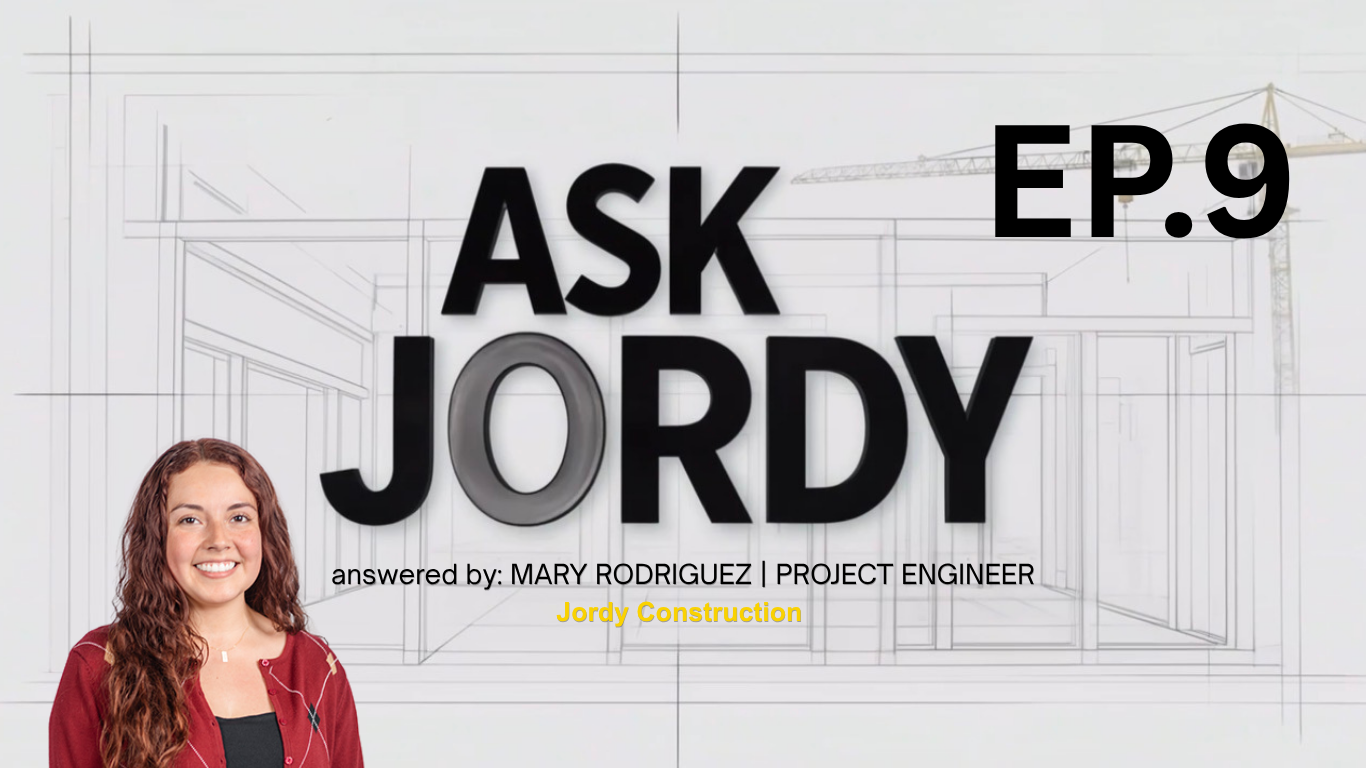
Watch ASK JORDY: EP 9